
Discover the SignStix security features every client can use: Entra ID single sign-on, MFA, permission levels, content approval, PIN protection and ISO27001.
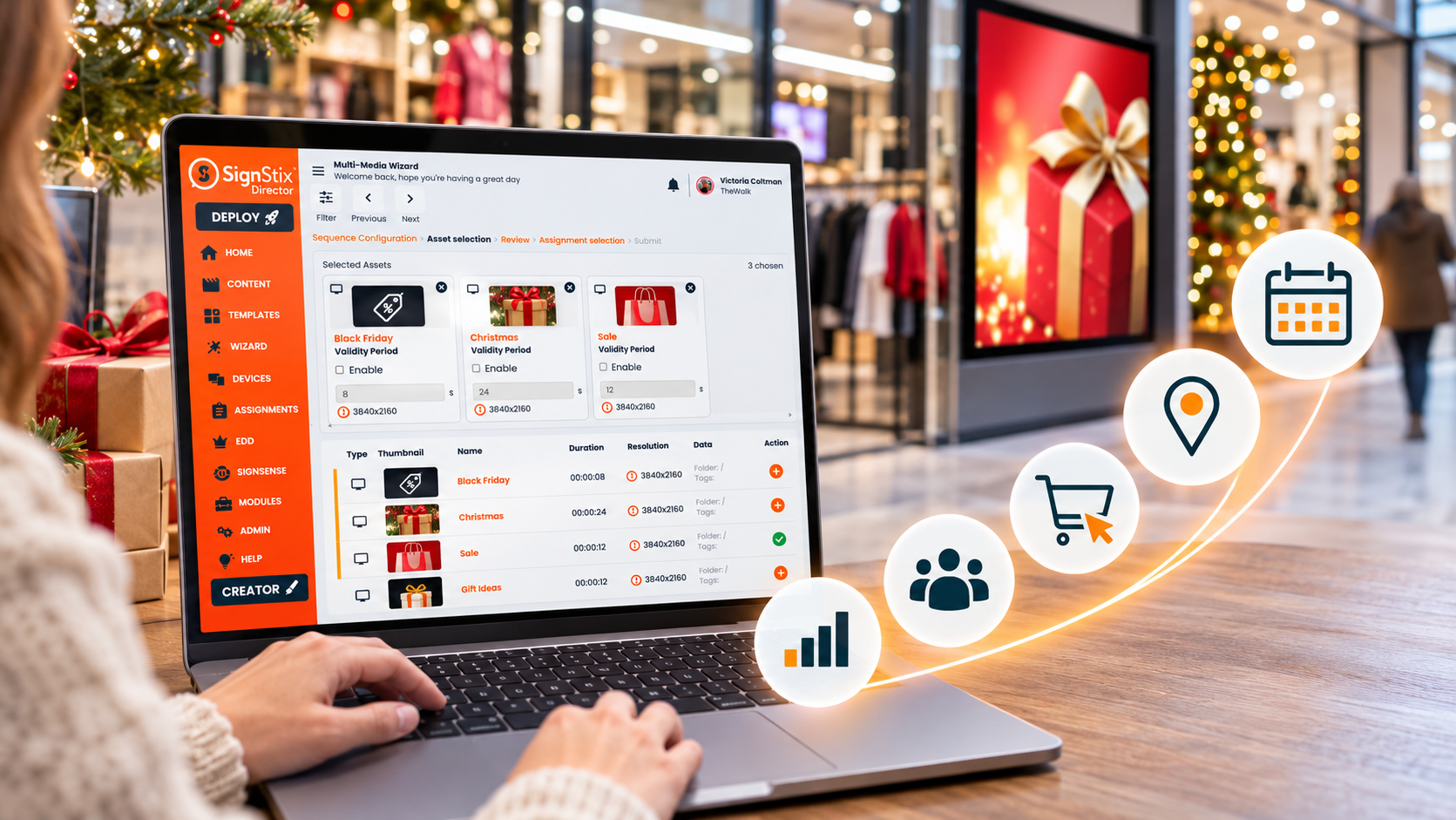
Practical digital signage ideas to help retailers handle Christmas, Black Friday and sale periods: promotions, queues, click and collect and staff updates.
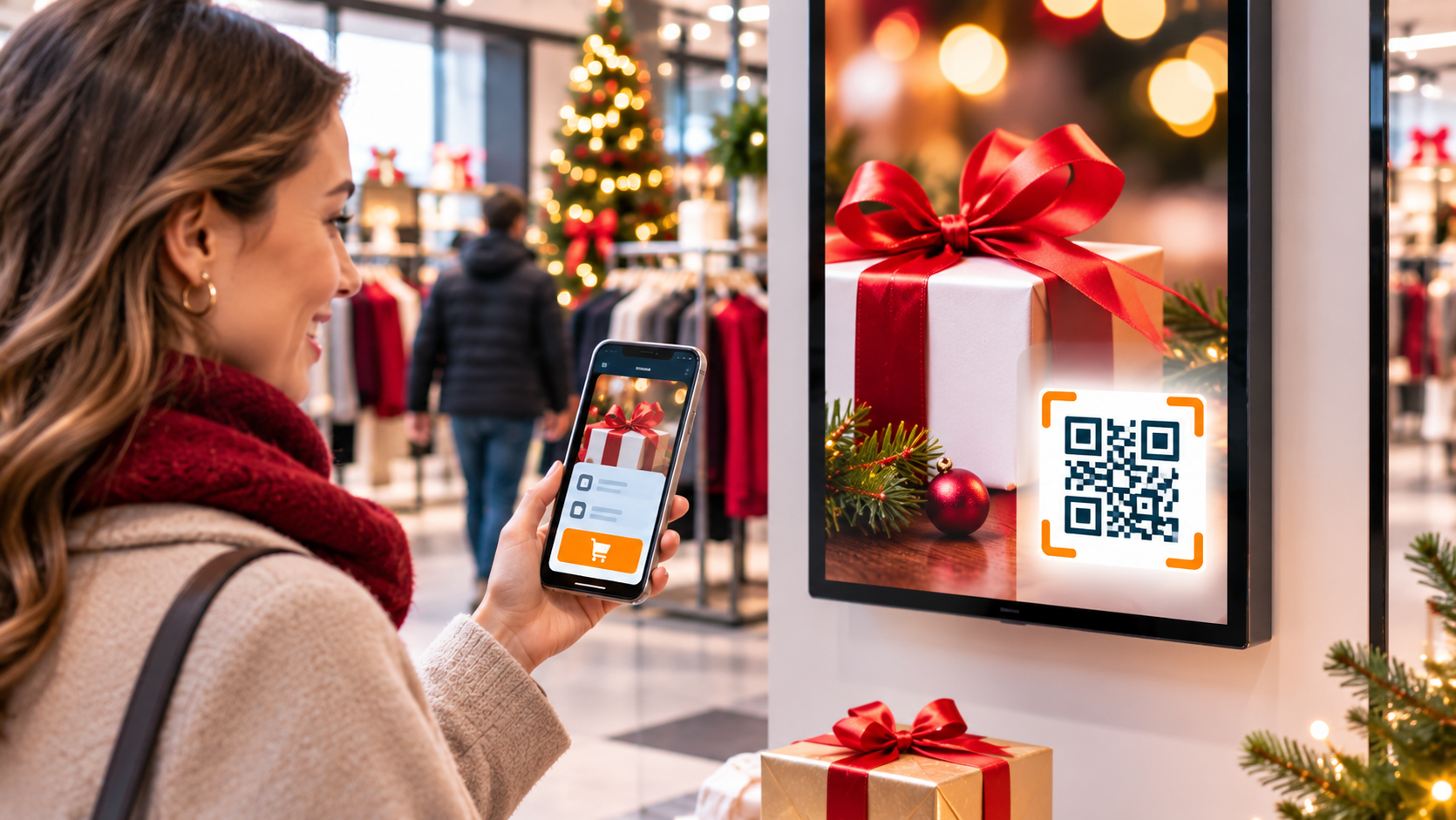
Five in-store technologies helping retailers win at Christmas: self-service kiosks, lift and learn, QR codes, retail media screens and audience analytics.

How airports, stations and transport hubs use digital signage for live travel updates, wayfinding and advertising, and what to look for in a platform.
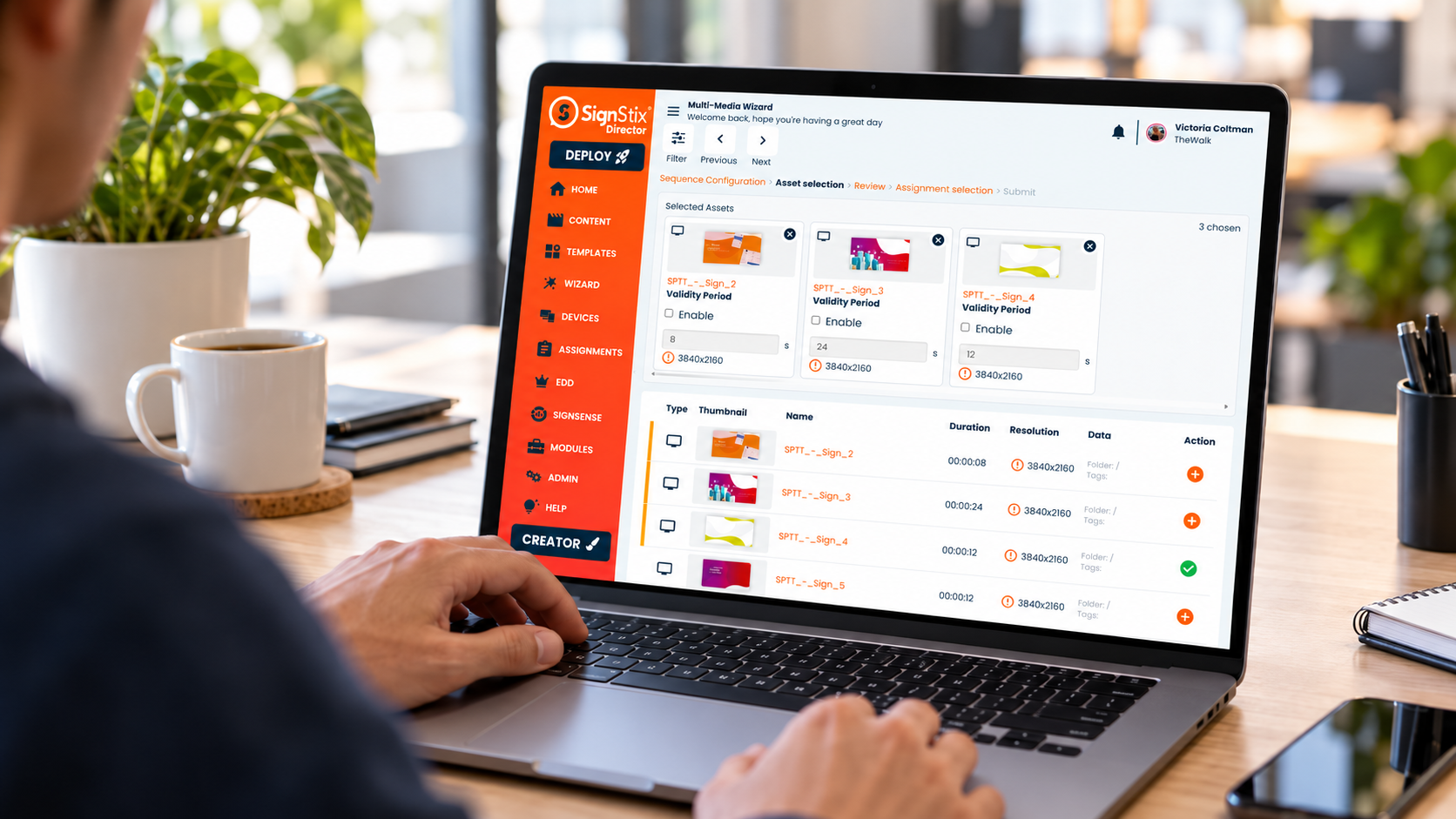
Discover SignStix Tag Manager, a new feature that helps admins control tags, prevent typos, and ensure screens receive the right playlist content.
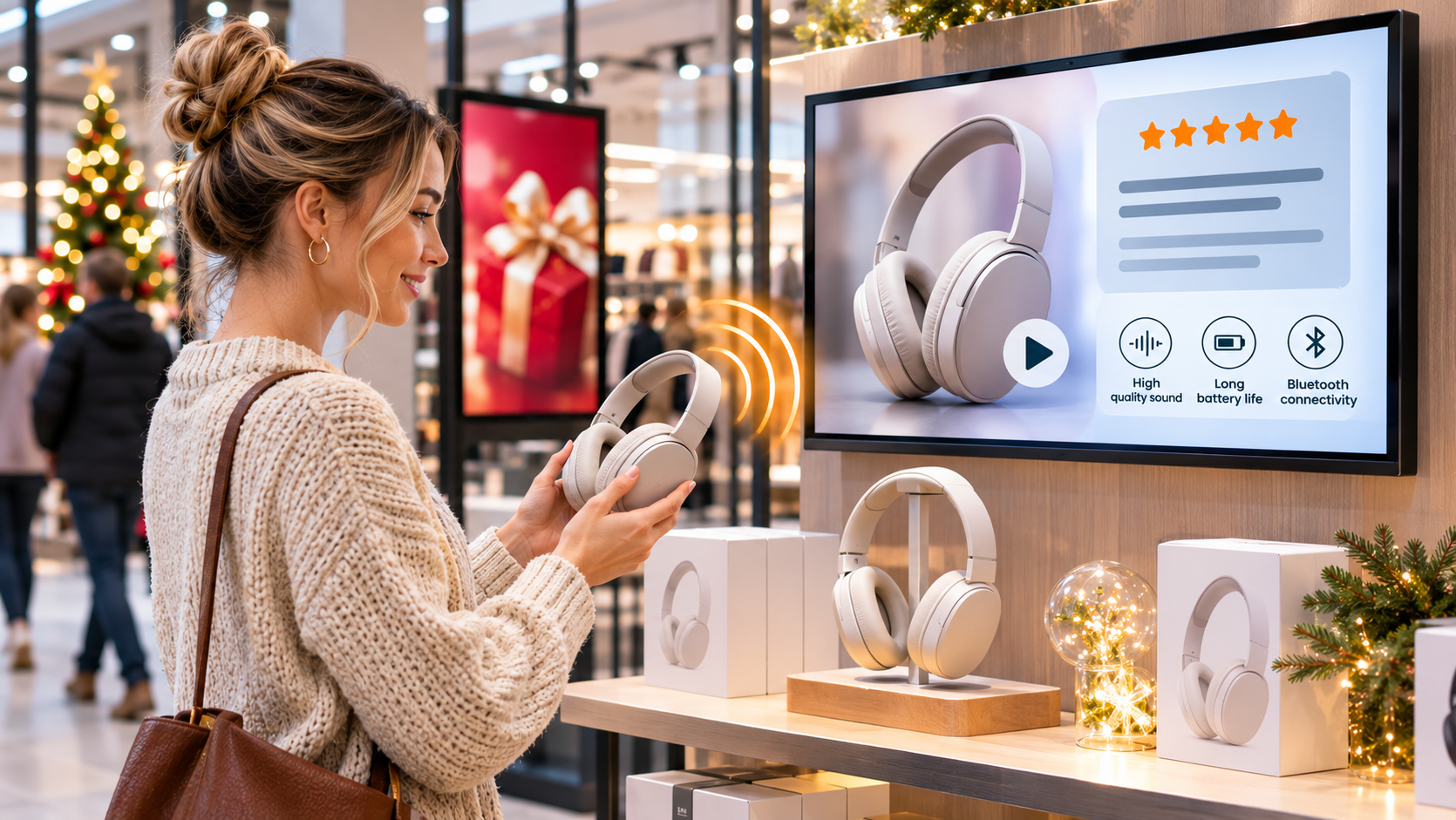
How integrating digital signage with sensors, cameras, stock systems, weather data and displays makes screens smarter, more relevant and easier to run.
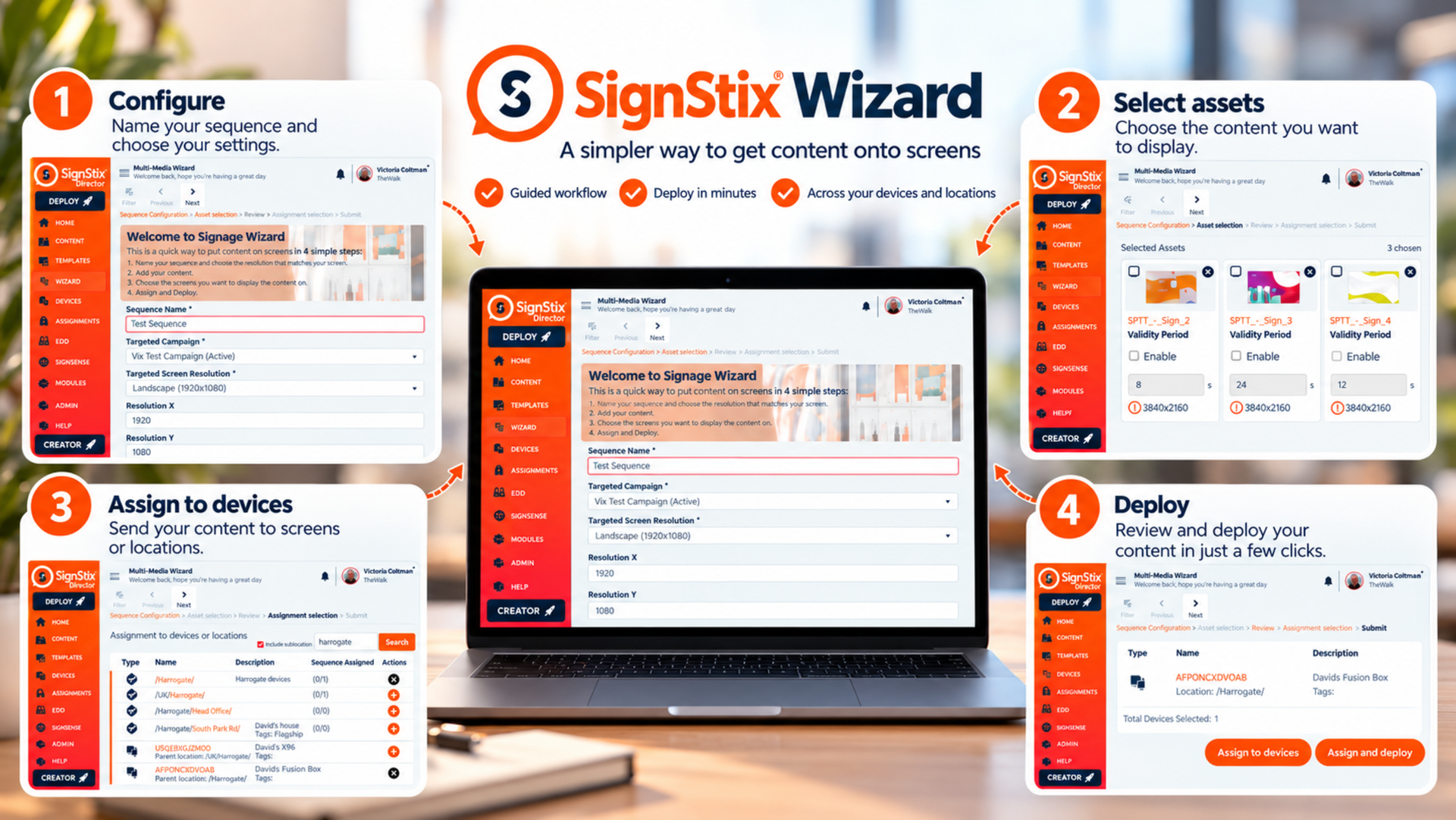
Digital signage deployment shouldn't be complicated. Discover how SignStix Wizard simplifies content management with an intuitive, four-step workflow.
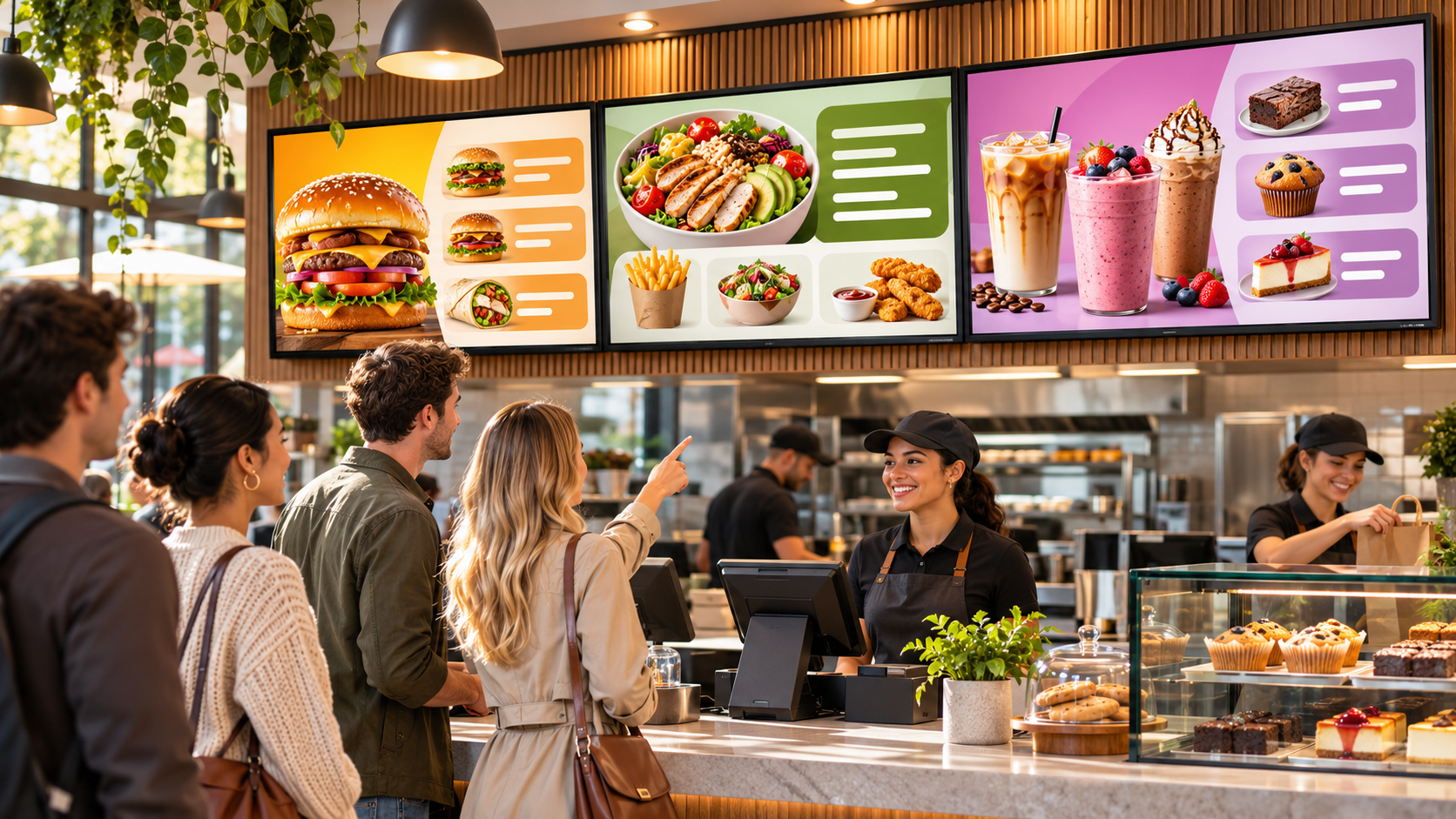
How digital menu boards help restaurants, cafés and QSRs upsell, update prices instantly, show allergen information and shorten queues.

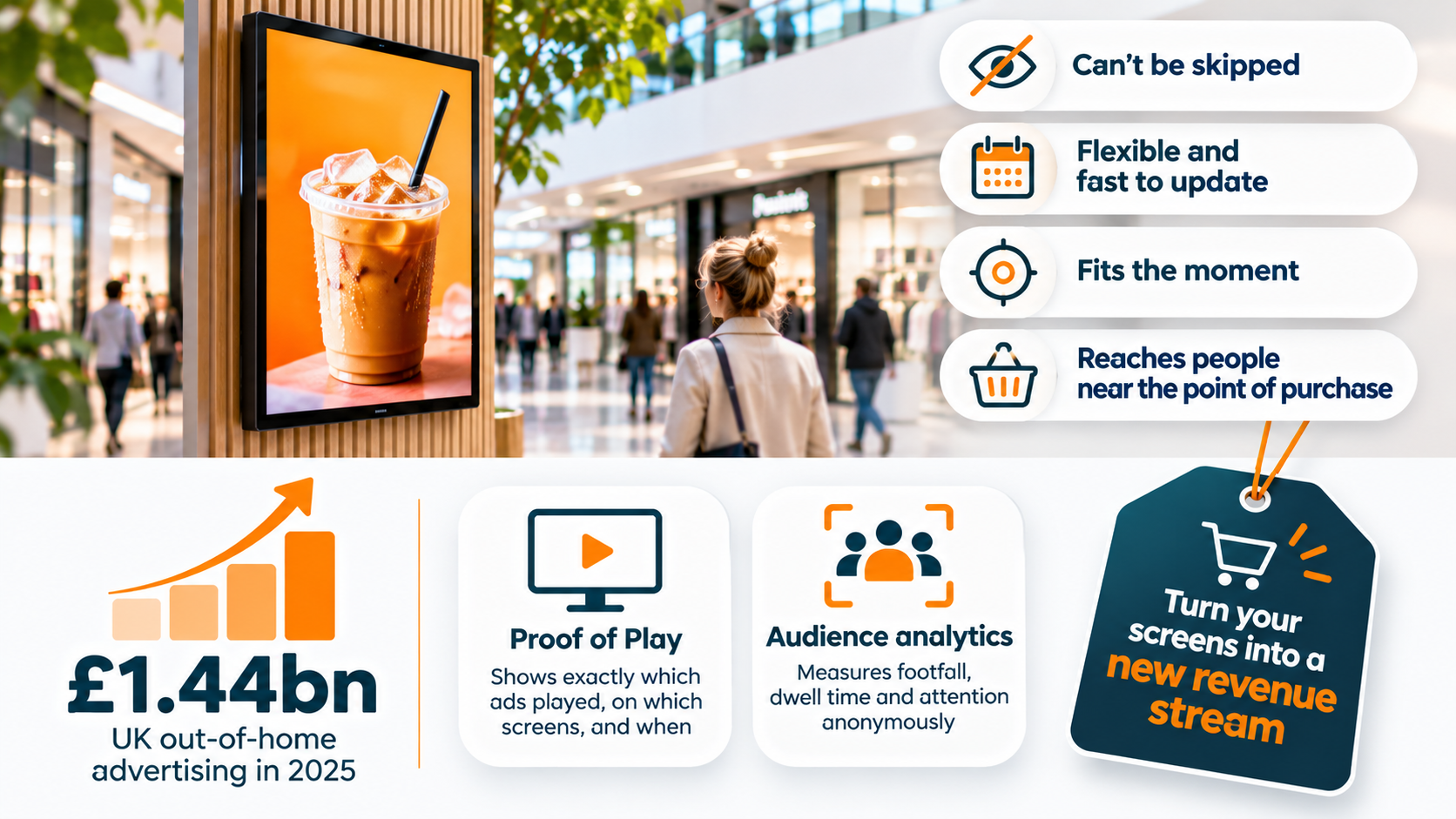
The latest digital signage statistics for 2026: market size, UK growth, the rise of digital out-of-home, and the measurement gap most operators still face.
The eight digital signage features that save the most time, from cloud management and scheduling to video walls, remote monitoring and brand locking.
